
La revolución silenciosa del aire acondicionado para camiones: la electrificación transforma la cabina en una "casa rodante"
In the commercial vehicle sector, a revolution in comfort and efficiency is quietly unfolding within the driver's cab. As the wave of electrification extends from vehicle power systems to auxiliary equipment, truck air conditioning—a component that once relied entirely on the engine, generating significant noise and consuming considerable energy—is undergoing a profound transformation from a dddhhhnecessary accessorydddhhh to a dddhhhcore comfort feature.dddhhh
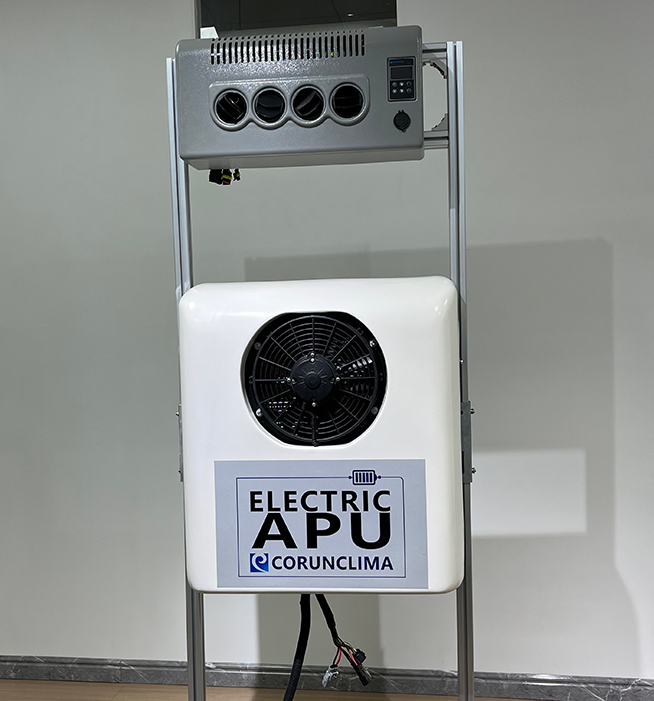
Electrification of Air Conditioning: From Auxiliary to Independent
Traditional truck air conditioning systems relied entirely on the engine's operation, meaning that when the vehicle was parked and the engine switched off, temperature control in the cab immediately ceased. For long-haul drivers who needed to rest in their vehicles, this presented a dilemma: either endure the heat or cold, or keep the engine idling, wasting fuel and increasing emissions and noise.
The advent of electric air conditioning systems has changed this. These systems are typically equipped with independent power sources, allowing them to operate for several hours even with the engine off, providing drivers with a truly restful environment. More importantly, electric air conditioning operates much more quietly, eliminating the roar of traditional air conditioning compressors, truly transforming the cab into a comfortable dddhhhmobile homedddhhh where drivers can sleep peacefully.
Technological Advancements Drive Industry Transformation
Technological innovation is the core driving force behind this transformation. The new generation of electric air conditioning systems boasts significantly improved energy efficiency, providing more powerful cooling or heating with less power consumption, thus reducing the burden on the vehicle's battery system. The introduction of intelligent temperature control technology makes temperature control more precise, further optimizing energy use.
At the same time, these systems are becoming more integrated and intelligent. Through data exchange with other vehicle systems, electric air conditioning can intelligently adjust its operating mode, such as automatically adjusting power when the battery level is low, or predicting temperature needs based on changes in the external environment.
Multiple Factors Drive Widespread Adoption
Stricter environmental regulations are a significant factor driving the electrification of truck air conditioning. As emission standards for commercial vehicles become increasingly stringent in various countries, reducing unnecessary engine idling has become an industry consensus, and electric air conditioning directly addresses this problem.
Another driving force comes from the increasing demands of drivers for better working conditions. The modern logistics industry is paying more attention to drivers' working conditions and satisfaction. A quiet, temperature-controlled resting environment not only improves drivers' quality of life but also indirectly enhances road safety—well-rested drivers are clearly more focused and attentive while driving. From an economic perspective, although electric air conditioners have higher initial costs, the reduced fuel consumption and maintenance costs make the overall cost of ownership more competitive in the long run.